
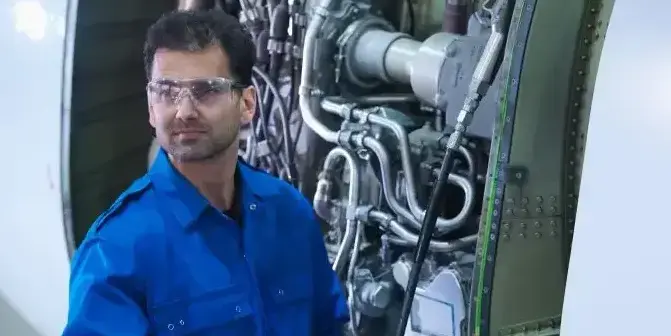
Jeroen Bloem, GKN Fokker & Gijs Verrest
Major incidents rarely start with an explosion. They start with an unanswered email. A warning that was brushed aside. A concern that lingered in the lower layers of an organization.
When two Boeing 737 MAX aircraft crashed shortly after take-off in 2018 and 2019, fingers were quickly pointed at a technical flaw: MCAS, a software system that automatically pushed the aircraft’s nose down based on data from a single sensor.
But anyone who reads the internal documents saw that the problem had been flagged long before. The concerns existed. The knowledge was there. Only, leadership didn’t hear it or didn’t want to. That’s not an exception. It’s a pattern.
At GKN Fokker Aerospace, it began in much the same way: an apparently minor quality deviation grew into a complex problem due to conflicting data and fragmented analyses. In this article, you’ll learn how such signals arise, why they are so often missed, and how critical thinking skills combined with a structured approach can prevent small deviations from escalating into major incidents. Want to know how to reduce complexity to clear root causes – and finally move out of “firefighting” mode? Read the full article:
Republished with permission from Kwaliteit in Bedrijf